Mauritania faces Rift Valley fever outbreak: Strengthening surveillance and response
Nouakchott — In Mauritania, Rift Valley fever (RVF) continues to demonstrate its danger. Between 27 September and 30 October 2025, 46 human cases were confirmed, including 14 deaths, across 13 wilayas (provinces), mainly in border areas. Since August, 62 outbreaks have been detected in animals, with 235 positive cases and 71 deaths, mostly among sheep, cattle and camels.
Transmitted by infected mosquitoes or through contact with sick animals, this disease causes high fever in humans and sometimes severe complications. In animals, it leads to mass abortions and death among the youngest.
Faced with this concerning situation, World Health Organization (WHO) has stepped up its support to the Mauritanian government through an integrated “One Health” approach, mobilizing the human, animal and environmental health sectors. A national response plan has been launched by health and veterinary authorities. It already benefits from initial funding, including US$ 1 million from the World Bank and discussions are underway with other partners to mobilize additional resources.
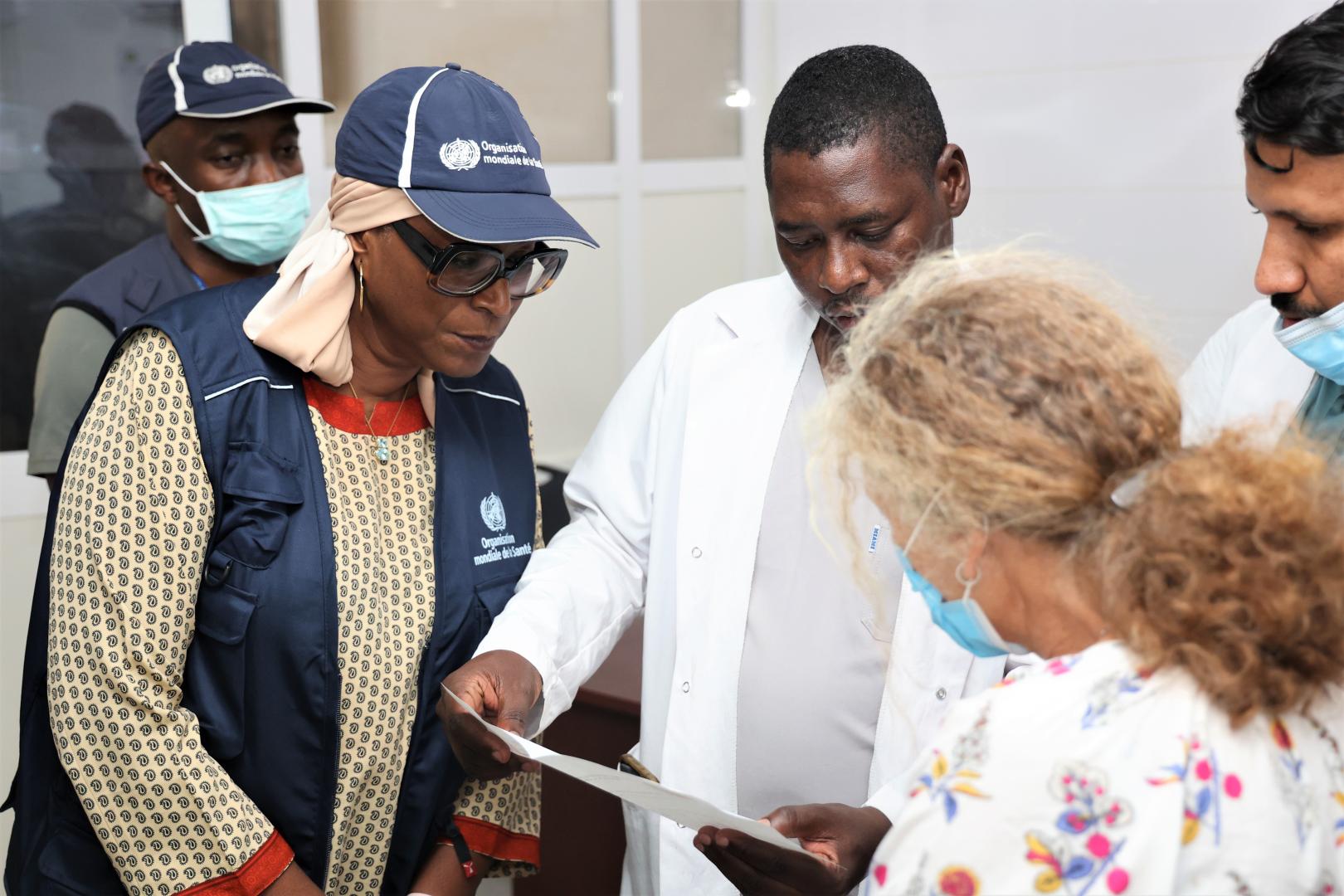
On the ground, the response is organized close to communities. Four mobile teams have been deployed in the hardest-hit areas to strengthen surveillance and support local services. “Every day, we are alongside health workers, in care centres and villages. We investigate, we listen, we act. This work requires responsiveness, coordination, and above all, proximity to communities,” explains Dr Raymond Pallawo, who supervises emergency operations at WHO Mauritania.
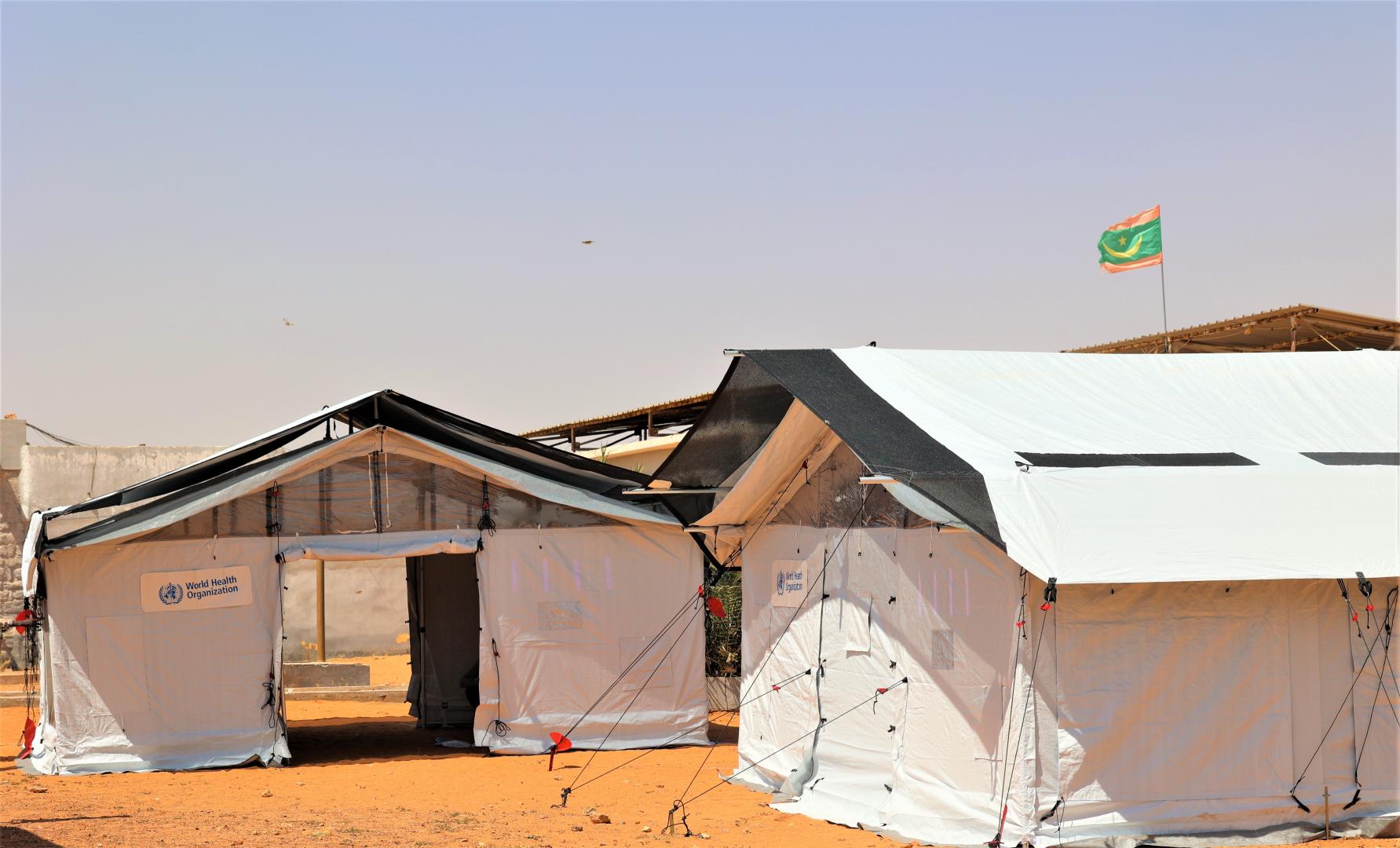
Isolation units have been rehabilitated in the most affected areas, notably in Aioun, Modibougou, Temecheket, and Bassikounou. These facilities allow for rapid and safe management of suspected or confirmed cases while limiting the risk of spread.
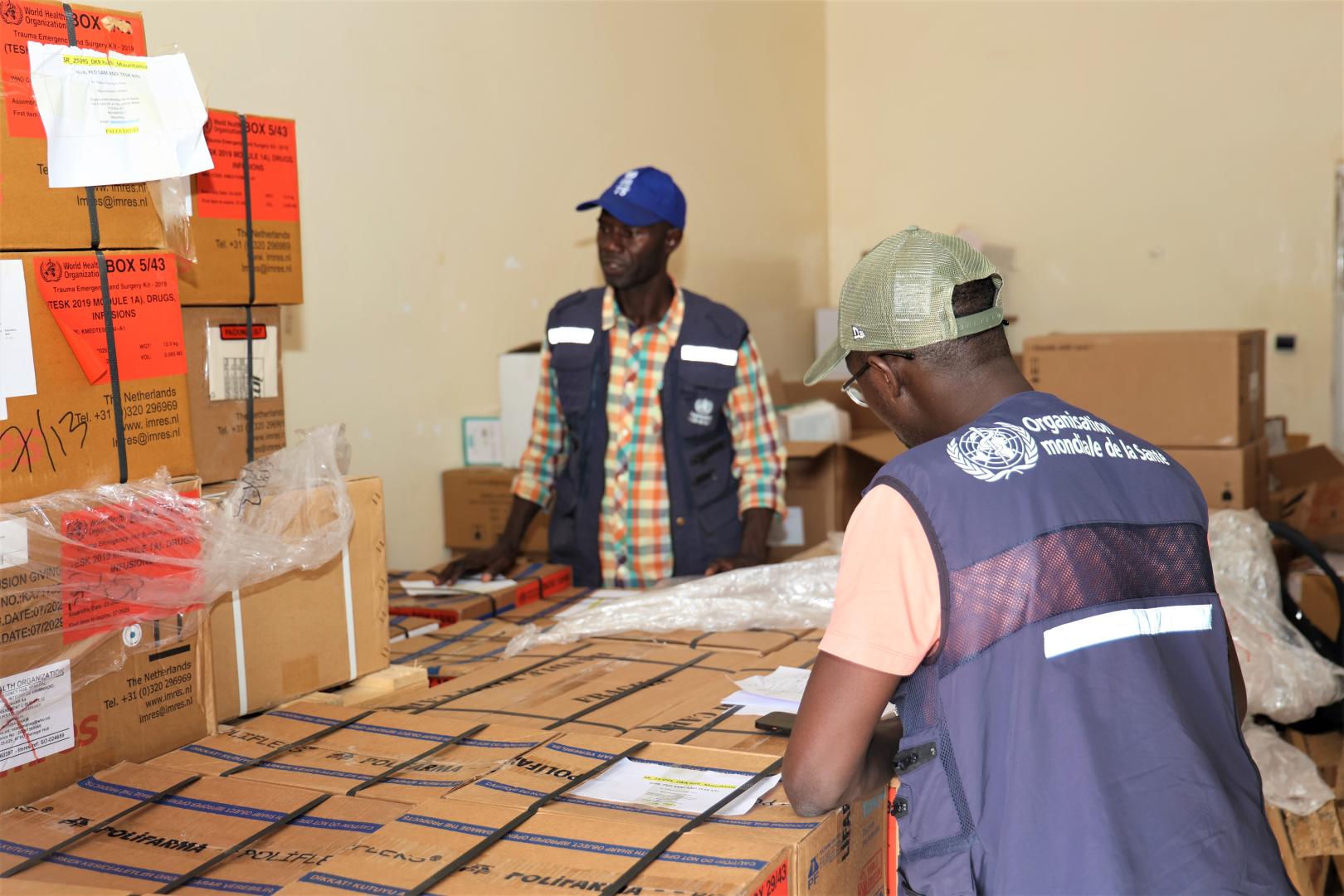
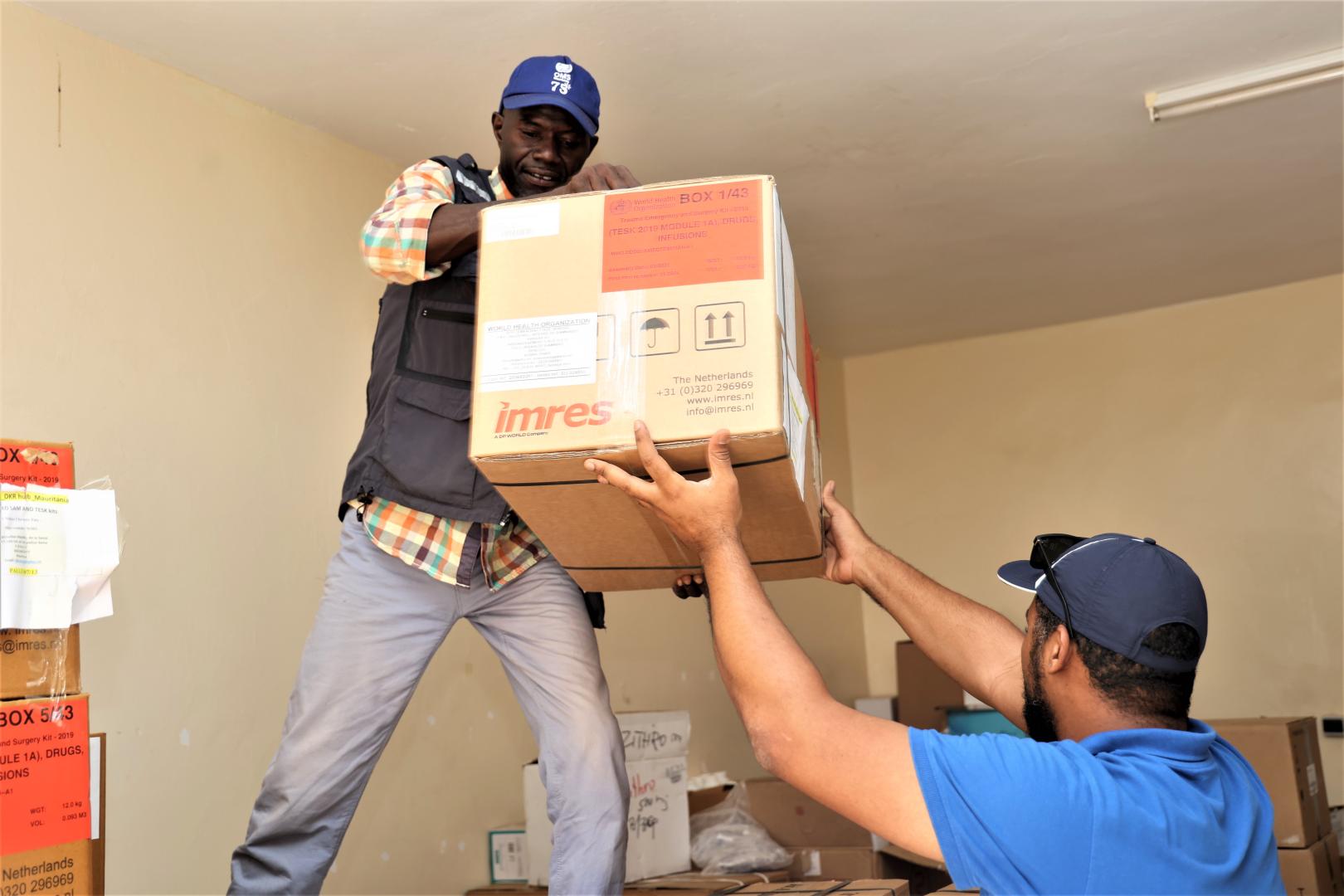
WHO has also delivered 3.5 tons of medicines and medical supplies, as well as two ambulances from its logistics hub in Dakar. These ambulances, now operational in the Hodh El Chargui and Hodh El Gharbi regions, have been received by the Ministry of Health.
Epidemiological surveillance has been strengthened through the dissemination of case definitions, briefings and a risk communication campaign led by veterinary and health services. To reach at-risk populations, 6000 information and education materials in local languages have been distributed, complemented by about 15 radio programmes and outreach activities in nearly 160 locations.
Specific sessions were held in slaughterhouses to promote safe handling of animals. In total, eight wilayas were targeted, along with Nouakchott and Adrar.
In the most affected rural areas, residents testify to the tangible changes brought by these actions. In Aioun, in the Hodh El Gharbi region, Mariem, a member of a pastoral community, calmly shares: “We understood the importance of quickly reporting sick animals and avoiding consumption of meat from infected livestock.”
Further South, in the Assaba region, Sidi, a 40-year-old herder from Kiffa, also speaks of a turning point in local habits. “When the disease arrived, many animals died and we were afraid. It was the veterinarians who came to inform us, with posters and on the radio. They explained how to recognize signs in animals and how to avoid being infected,” he recalls.
“The situation requires heightened vigilance and coordinated action. With the support of technical and financial partners, we are working to strengthen surveillance, case management and community awareness to limit the spread of Rift Valley fever,” declares Dr Bouhabib Abdallahi, Director of Preventive Medicine and Disease Control, emphasizing synergy among actors.
The current response goes beyond the emergency. It is part of a dynamic to sustainably strengthen the health system. “Mauritania demonstrates exemplary resilience. Together, we consolidate achievements, strengthen local capacities and integrate communities into surveillance. This response illustrates true solidarity and prepares the country to better face tomorrow’s health threats,” affirms Dr Charlotte Faty Ndiaye, WHO Representative in Mauritania.
This work relies on close collaboration with veterinary services. In an epidemic affecting both humans and animals, their role is essential to curb transmission. This synergy was recently illustrated through a high-level FAO assessment mission from headquarters to Nouakchott in early November. Conducted in close collaboration with WHO, the mission highlighted the importance of a preventive approach based on raising awareness among at-risk communities and mobilizing local actors for a sustainable response.
As the response continues, the joint efforts of the Mauritanian government and its partners reflect a shared commitment to contain the epidemic and protect the most vulnerable communities.
Communications Officer
WHO Regional Office for Africa
Email: dialloka [at] who.int (dialloka[at]who[dot]int)
Chargé de communication
OMS Mauritanie
tandiak [at] who.int (tandiak[at]who[dot]int)